Long before the internet could deliver up AI slop about every animal you could ever want to know about, there were Wildlife Treasury cards. The cards featured a photograph of the subject animal on the front and a bit of factual information about the animal on the back.
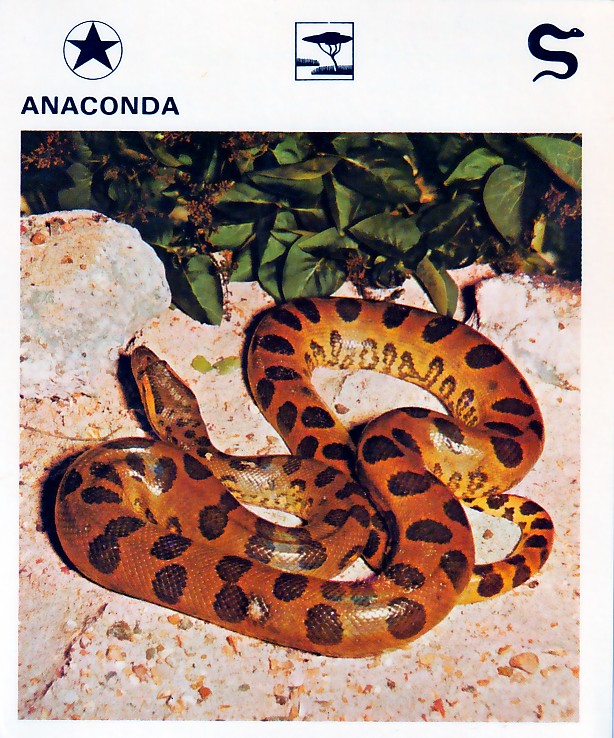
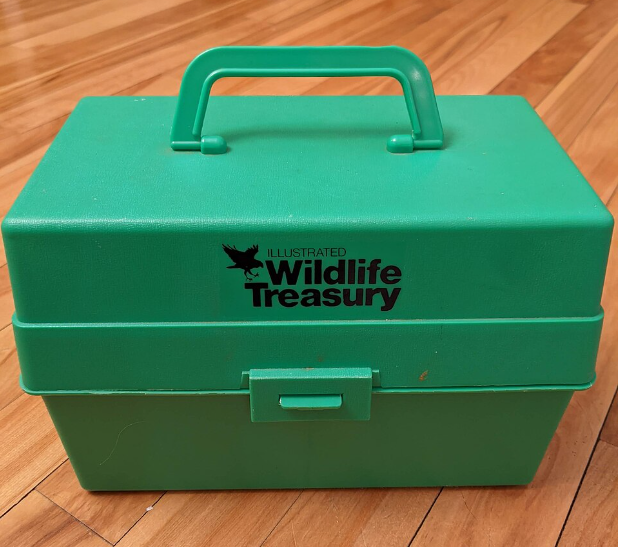
They were a monthly subscription service that kids could collect and store inside a signature green, plastic box that was sent along when you signed up. The box has since become a cultural icon for late-Gen X/early-Millenial kids.
And if you don’t remember the box, you probably remember the commercials…
Like most kids of my era, I watched a lot of PBS growing up, both the kid-oriented shows, as well as the more mature animal documentaries where the fuzzy little bunny didn’t always escape the jaws of the wily fox. One of my favorites was Wild America, with host Marty Stouffer. But I also made time for Mutual of Omaha’s Wild Kingdom starring Marlin Perkins. Unfortunately, I had limited access to libraries – the closest public library was about 20 minutes away and we didn’t get to go there often – so my only real source for animal info was TV. That is until my Mom got me a subscription to Wildlife Treasury.
A Fuzzy History
Leisure Books, the creator of Wildlife Treasury, had already been running a successful paperback subscription service since 1957. Members would sign up to receive two paperbacks in their chosen genre – Western, horror, fantasy, science fiction, or romance – that would automatically be sent to them every month. If the member didn’t want the books, they sent them back to Leisure. If they waited longer than 10 days to send them back, though, they were charged for the books at a decent discount. If you’re familiar with the infamous Columbia House music service that we all still owe money to, you’ll understand how this worked. Leisure simply applied the same concept to a kids’ book without the book about a subject all kids are fascinated by – animals! Throw in the collectability aspect that was similar to trading cards and you had a pretty good business model.
According to the Trading Card Database, Wildlife Treasury cards were published in different waves from 1975 until 1992. However the bulk of the cards were released between 1975 and 1981, ending after Leisure Books became an imprint of Dorchester Publishing. From there, it’s my understanding that other companies licensed the name and continued printing new cards, but they never really caught on. The exact number of cards in the set is unknown – some people say as few as 650, while other sources say it’s closer to 1,400 or even 1,700. Based up on my collection alone, I have a feeling that 1,400 is probably pretty close. (The written history of these cards is sparse, so don’t quote me on any of this. If anyone involved in the publication of the series would like to reach out and fill me in, please send me an email.)
My Wildlife Treasury Cards
Yes, I do still have my Wildlife Treasury cards. Not only were they a ton of fun to collect and pore over every chance I got as a young, wannabe zoologist, but they were a nicely self-contained collection; it was easy enough to stash them away on a shelf in the closet and keep for 45 years. I found my collection at my parents’ house when my animal-obsessed son was about four or five, so I brought them home, hoping he might experience the same joy I had exploring them as a kid. Needless to say, the allure of YouTube videos about animals was more appealing than a bunch of fuzzy photographs and dry text. After they sat untouched in his room for a couple of years, I quietly took them back and made them part of my pop culture collection.
As the big, green box sat on a shelf in my home office for a few years, I always felt like I should do something with it. So, earlier this year, I decided to create a Bluesky account that was nothing but scans of these old Wildlife Treasury cards. Every day I post a new card – front and back – usually with some silly banter or jokes in the ALT text normally reserved for low eyesight users. Sometimes I’ll add extra photos (especially if the photo from the card isn’t very good), YouTube videos, or news articles if there’s been some interesting new information about the animal since the late-70s/early-80s.
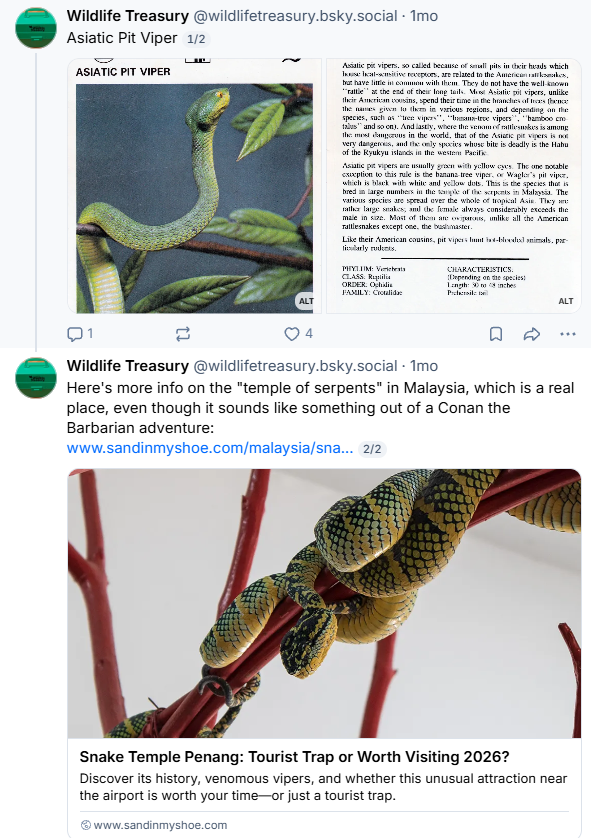
The account doesn’t have a ton of followers and most days I get less than a dozen Likes per post, but it’s been a fun little distraction. I also feel like scanning in all of these cards is an act of preservation. I think once I’m done, I’ll probably upload them to Archive.org for other Xennials to explore.
Monster Cards
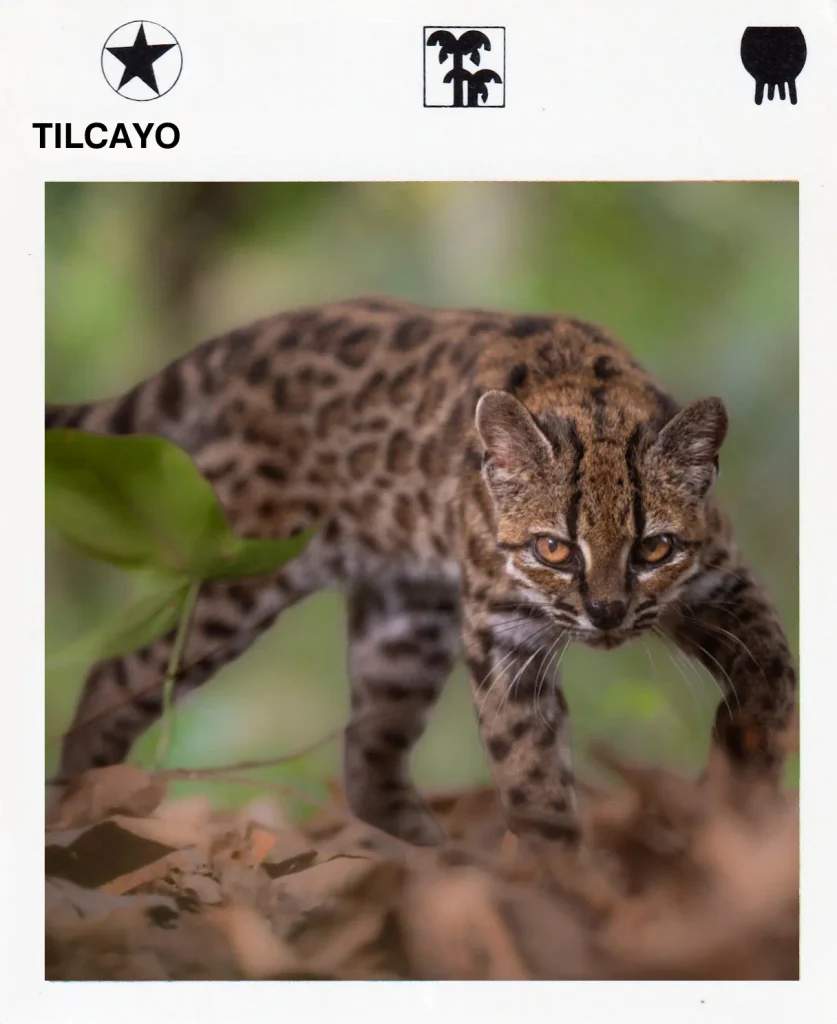
So, why is the title of this post “Wildlife Treasury Monster Cards”? Recently, there was a new species of wild cat found in Bolivia. It was a popular topic on the internet for a few days, so I thought it would be fun to commemorate this discovery by creating a Wildlife Treasury card for the new feline:
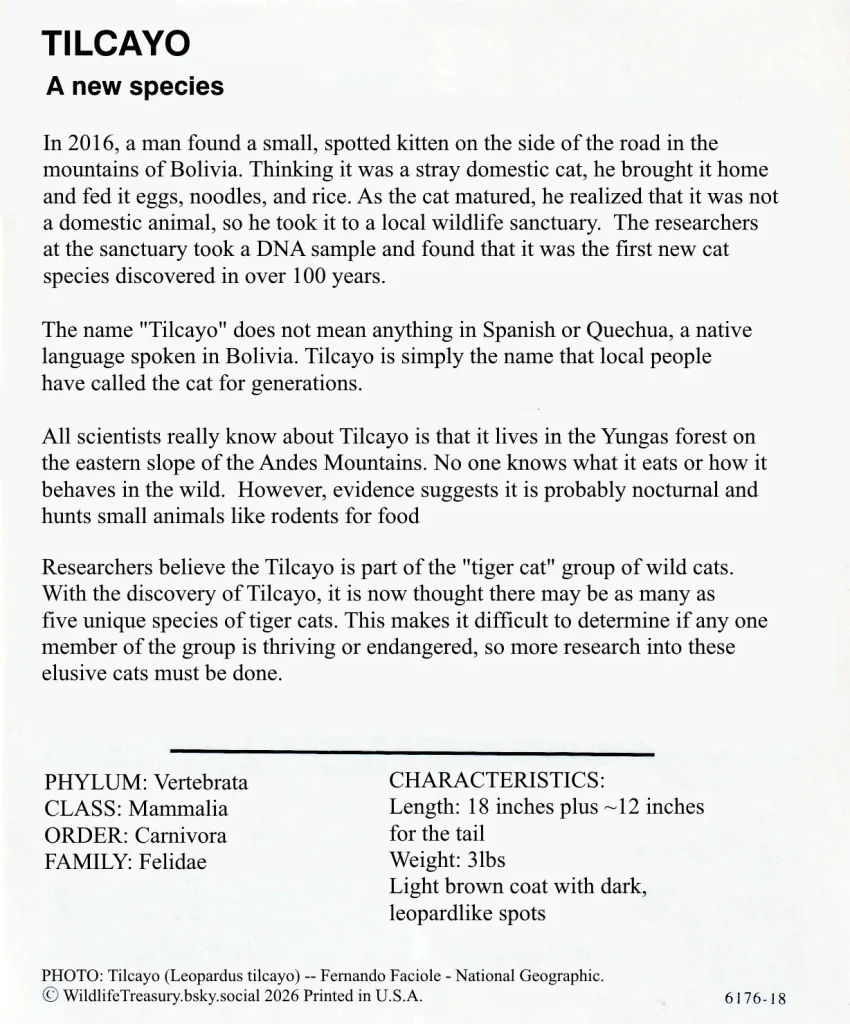
This got me thinking that it would be really cool to create Wildlife Treasury cards for fictional animals from movies and folklore. And so, to celebrate the two weeks leading up to Halloween this year, I created a series of Monster Wildlife Treasury cards. Here’s the full collection below:
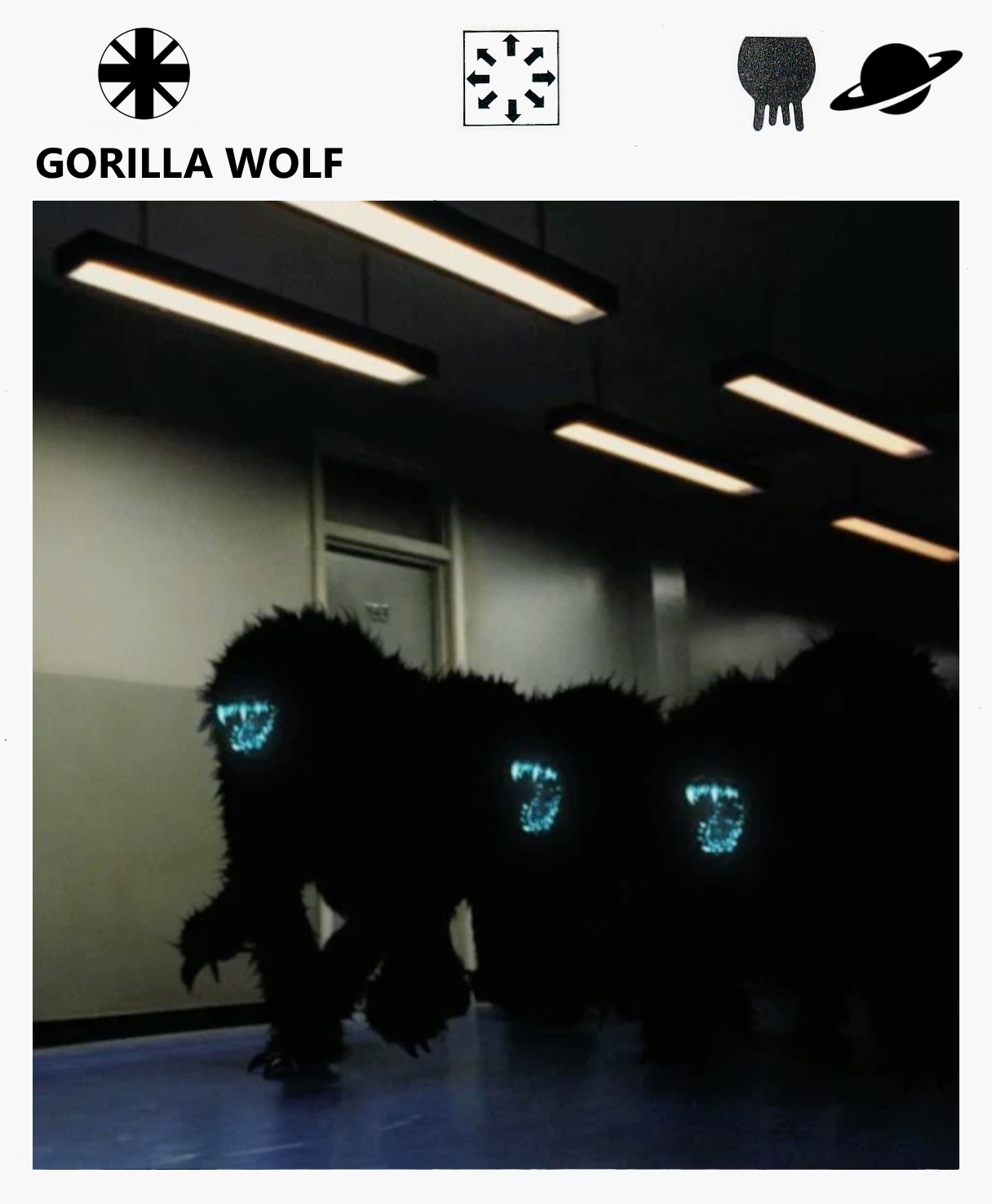
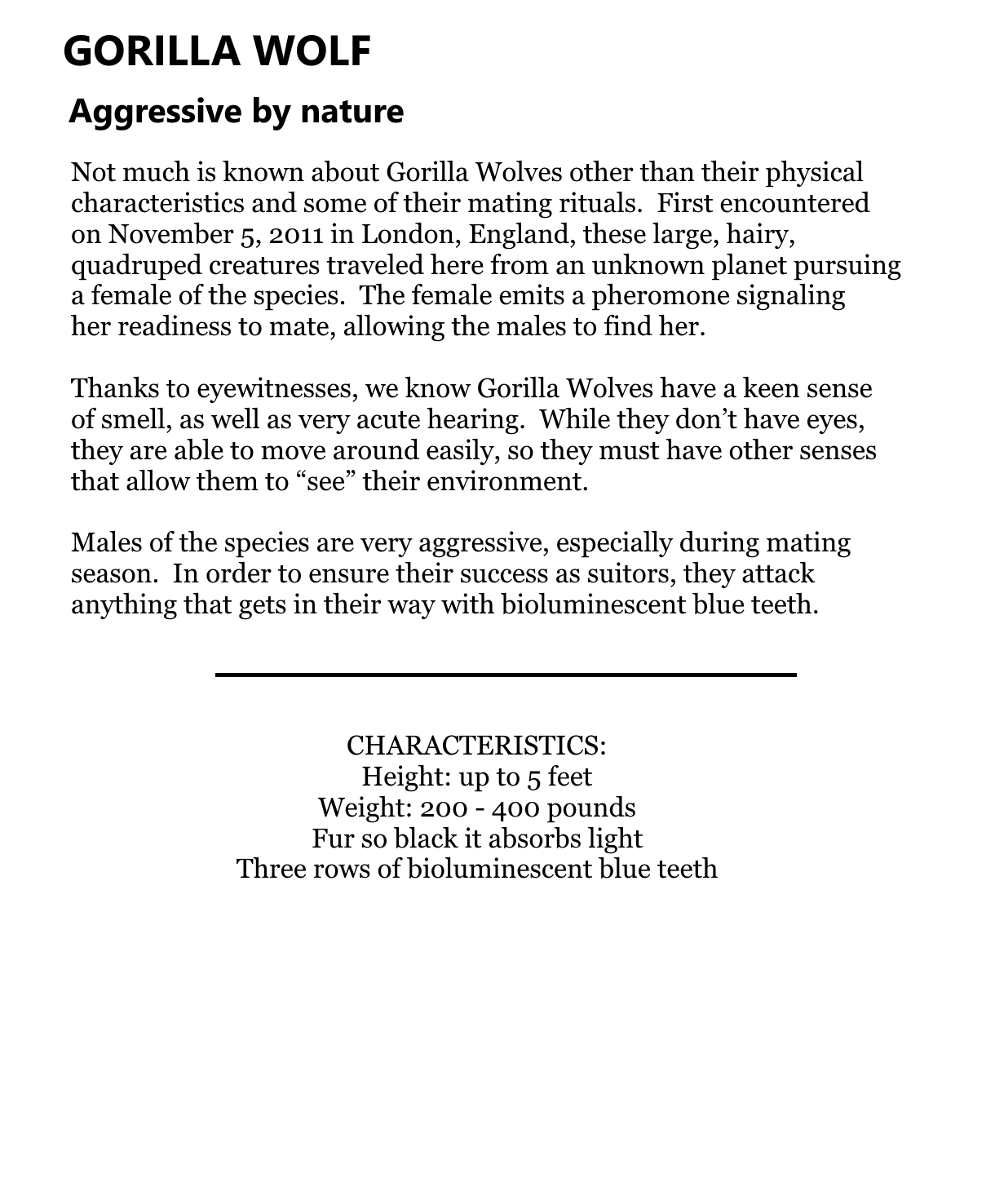
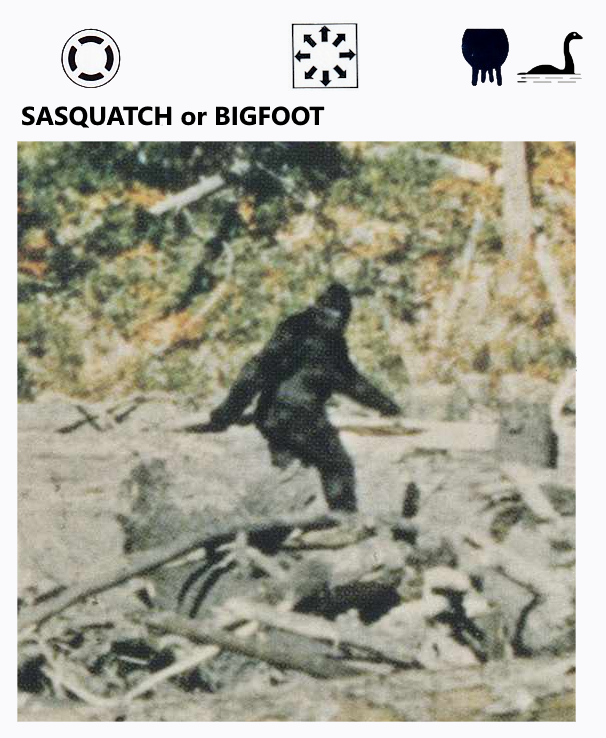
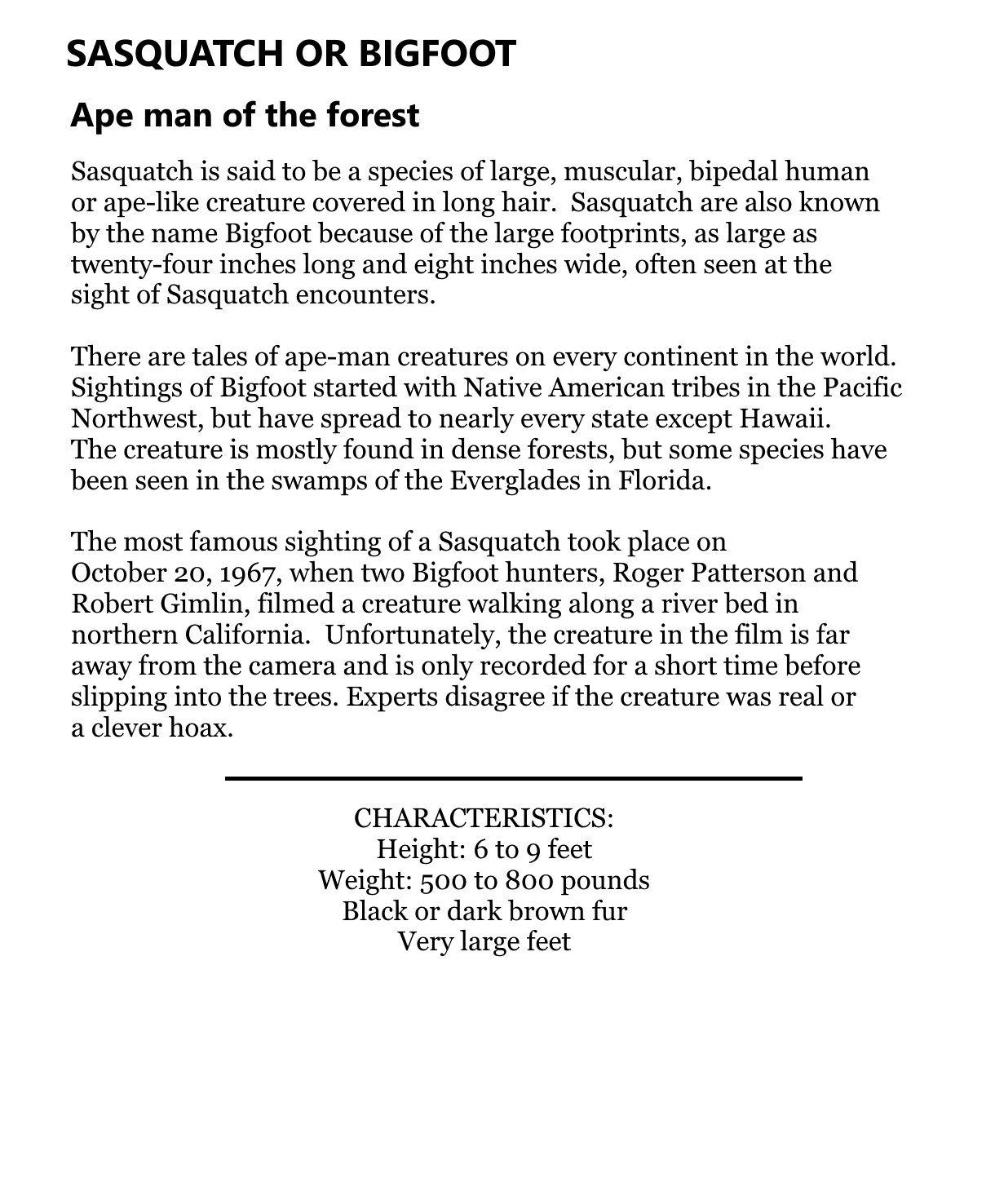

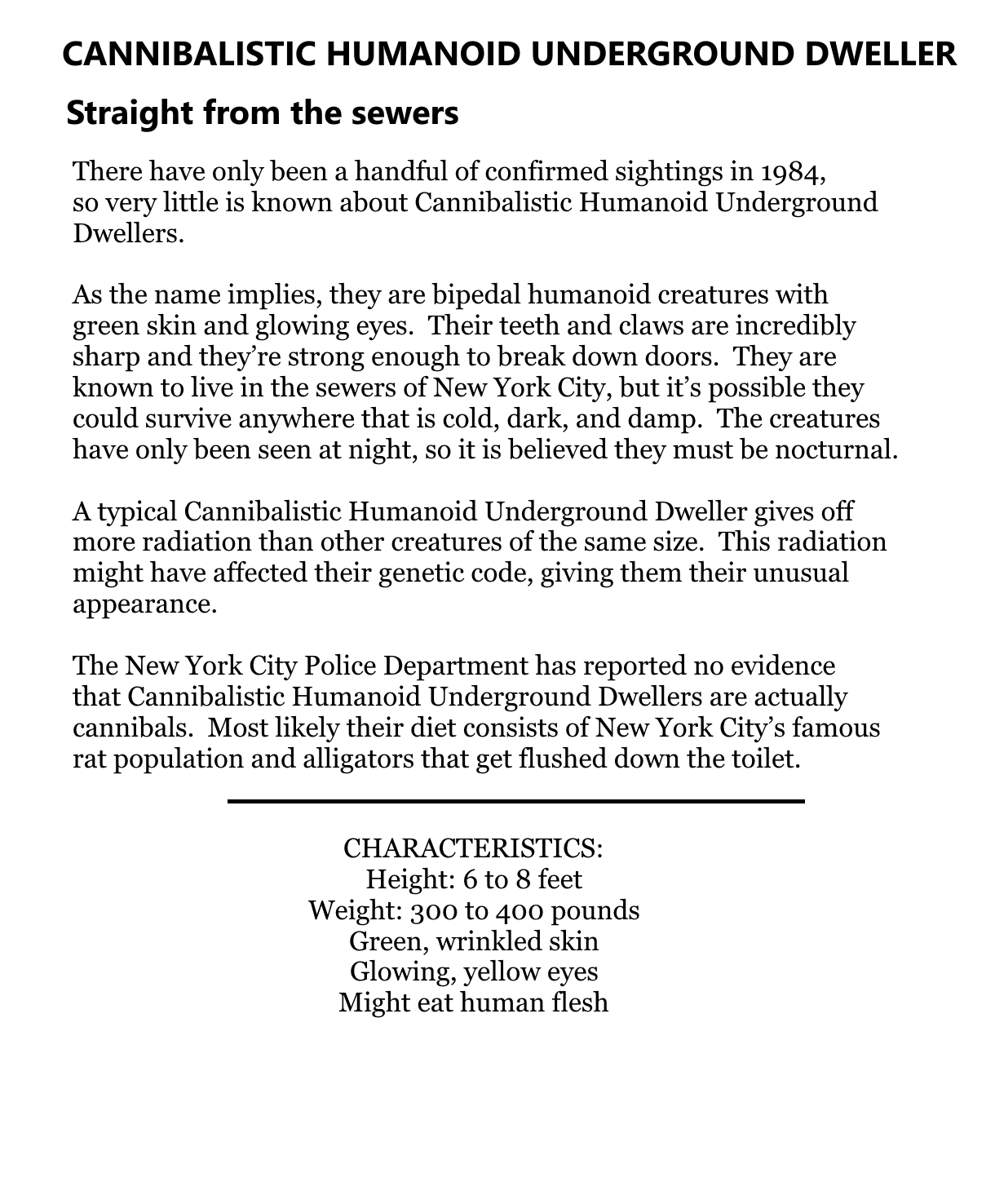
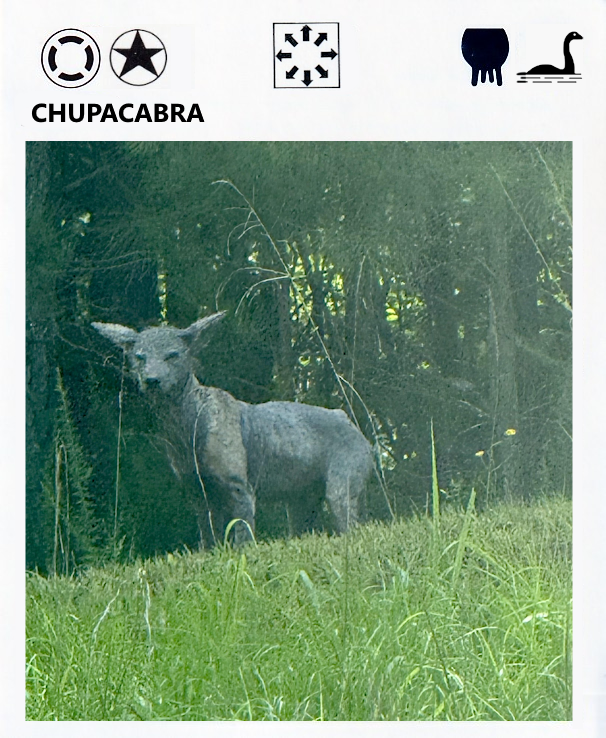
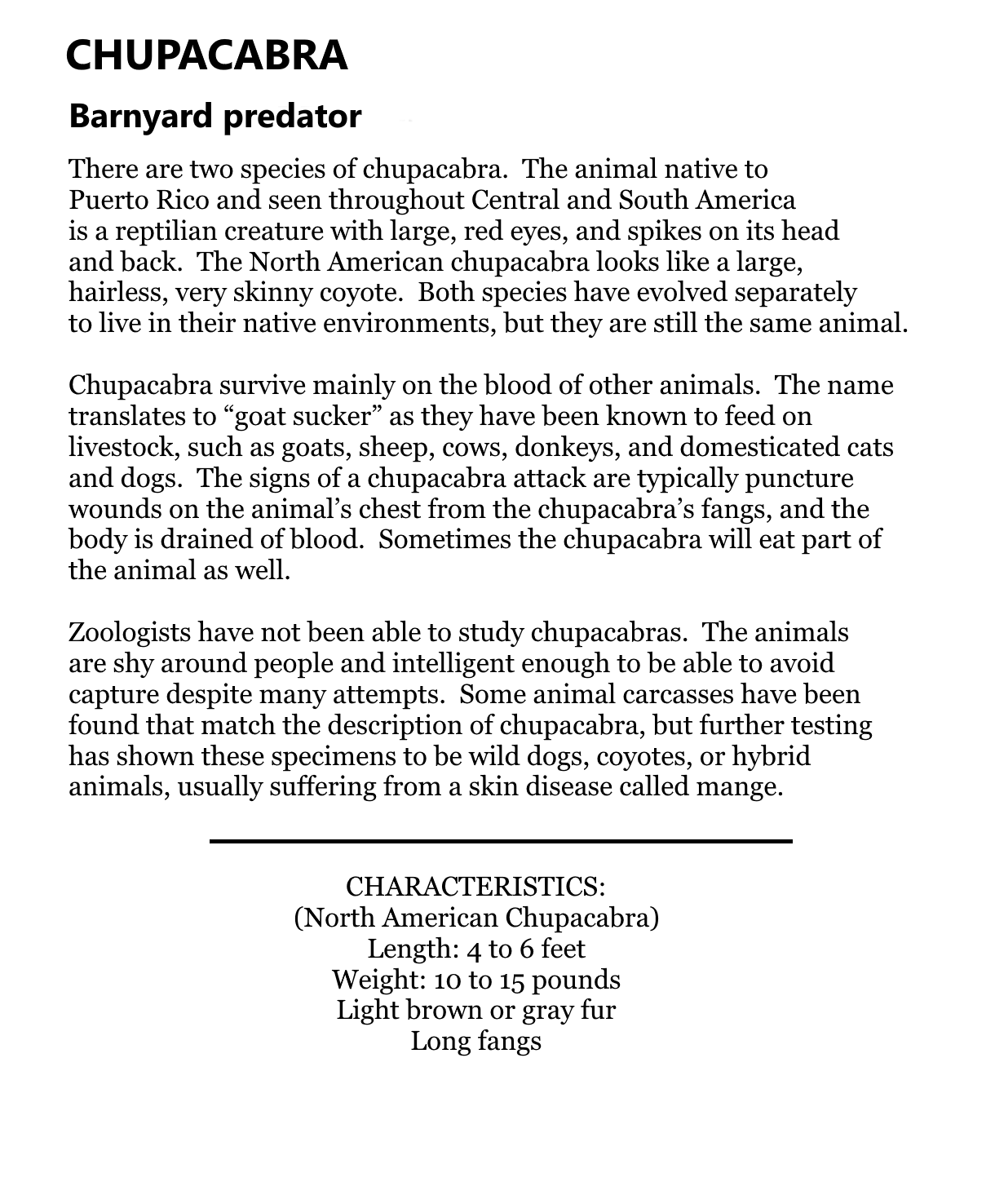
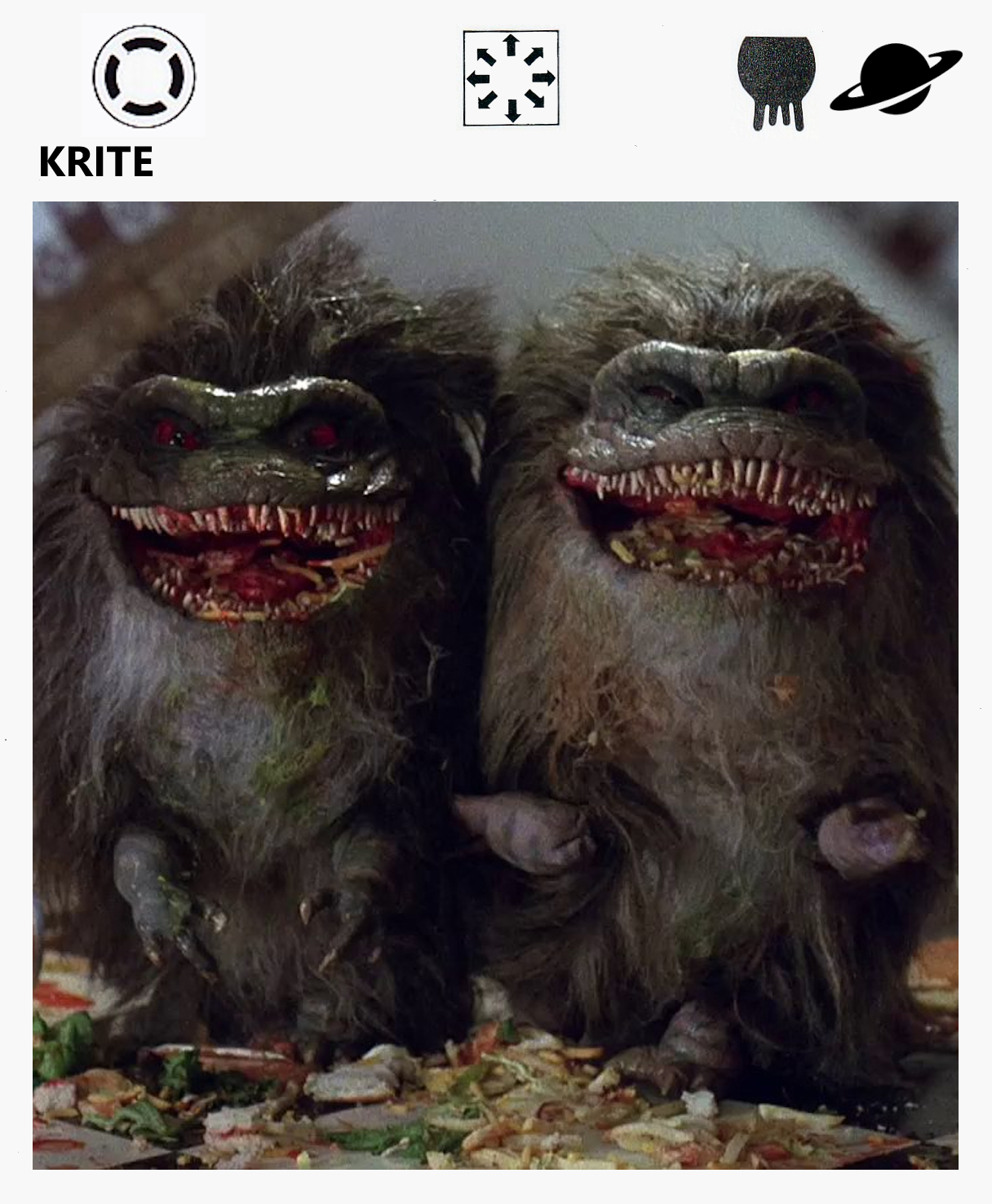
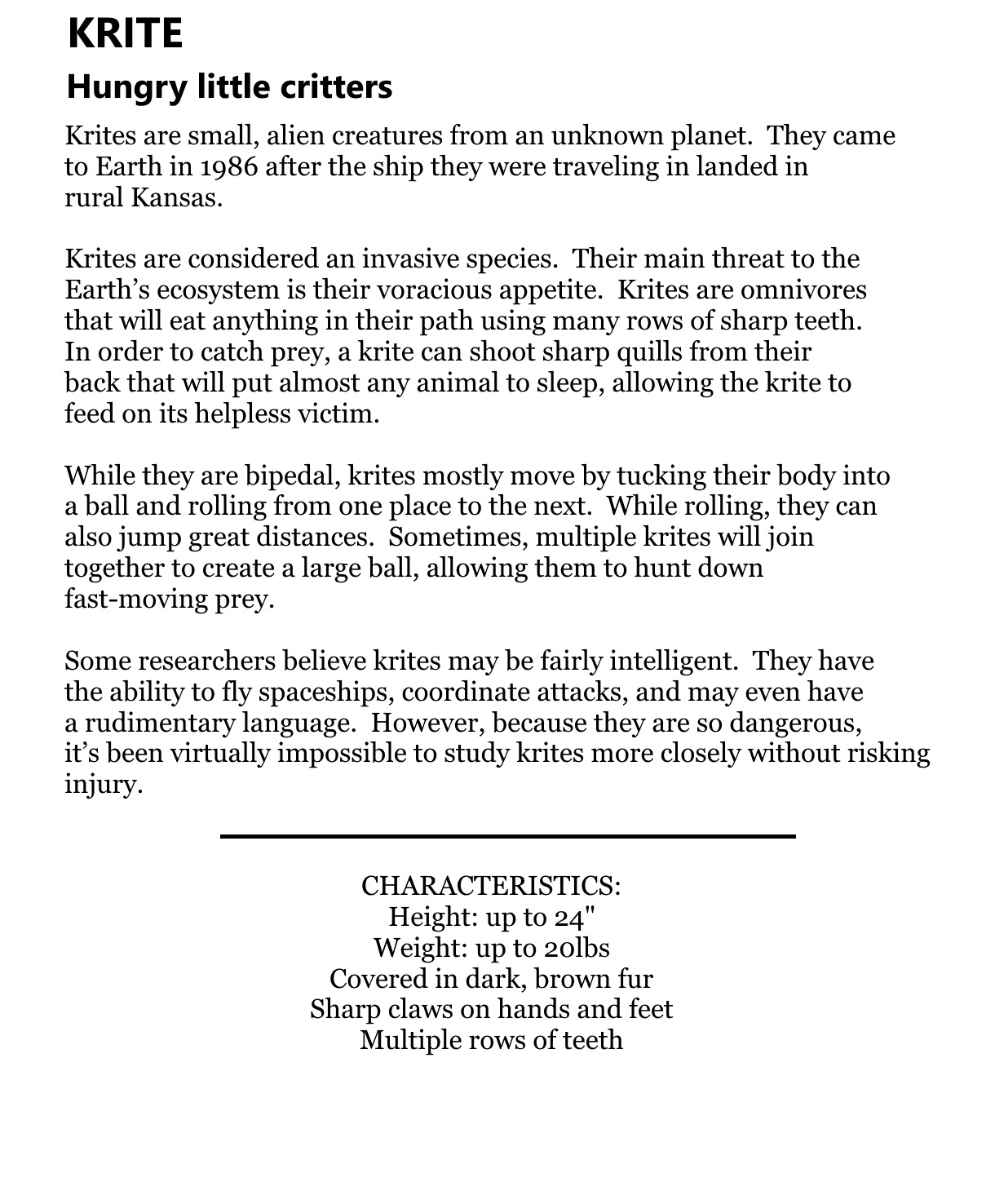
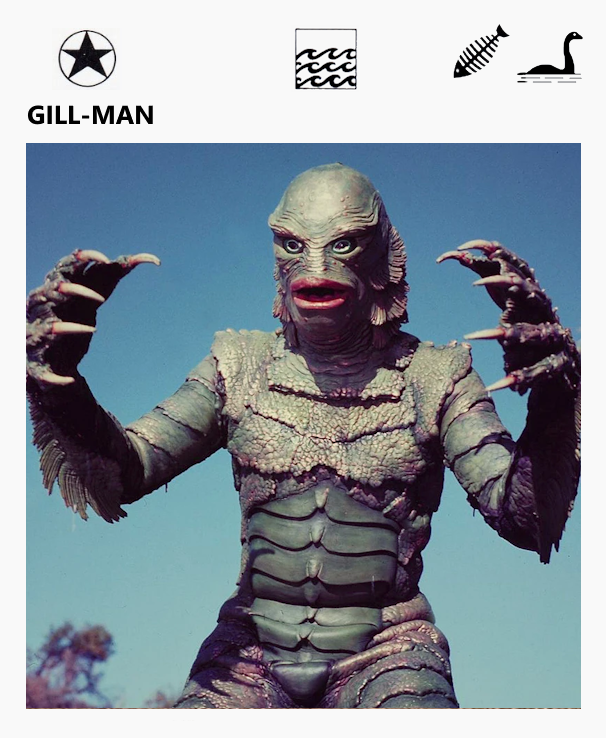
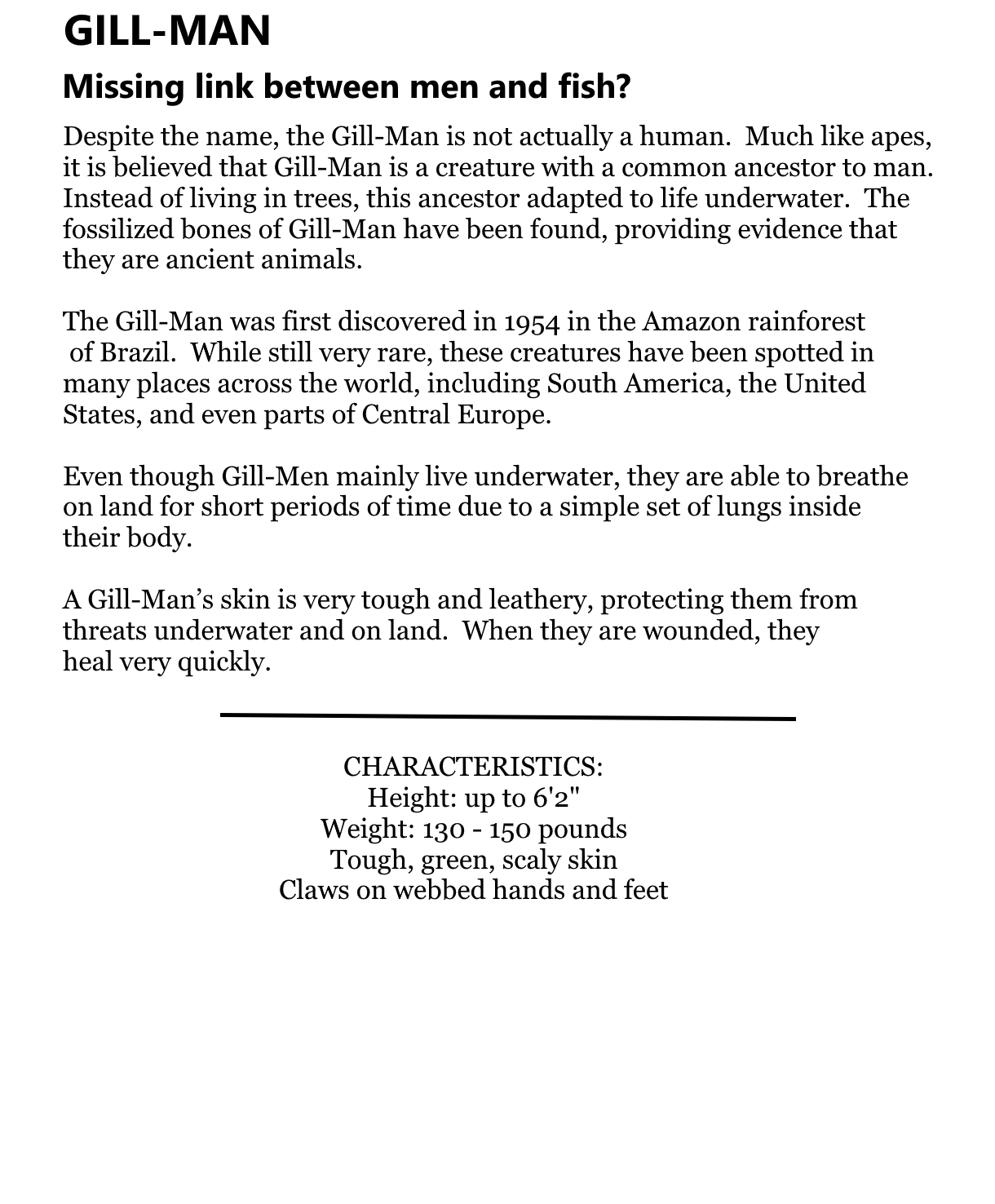

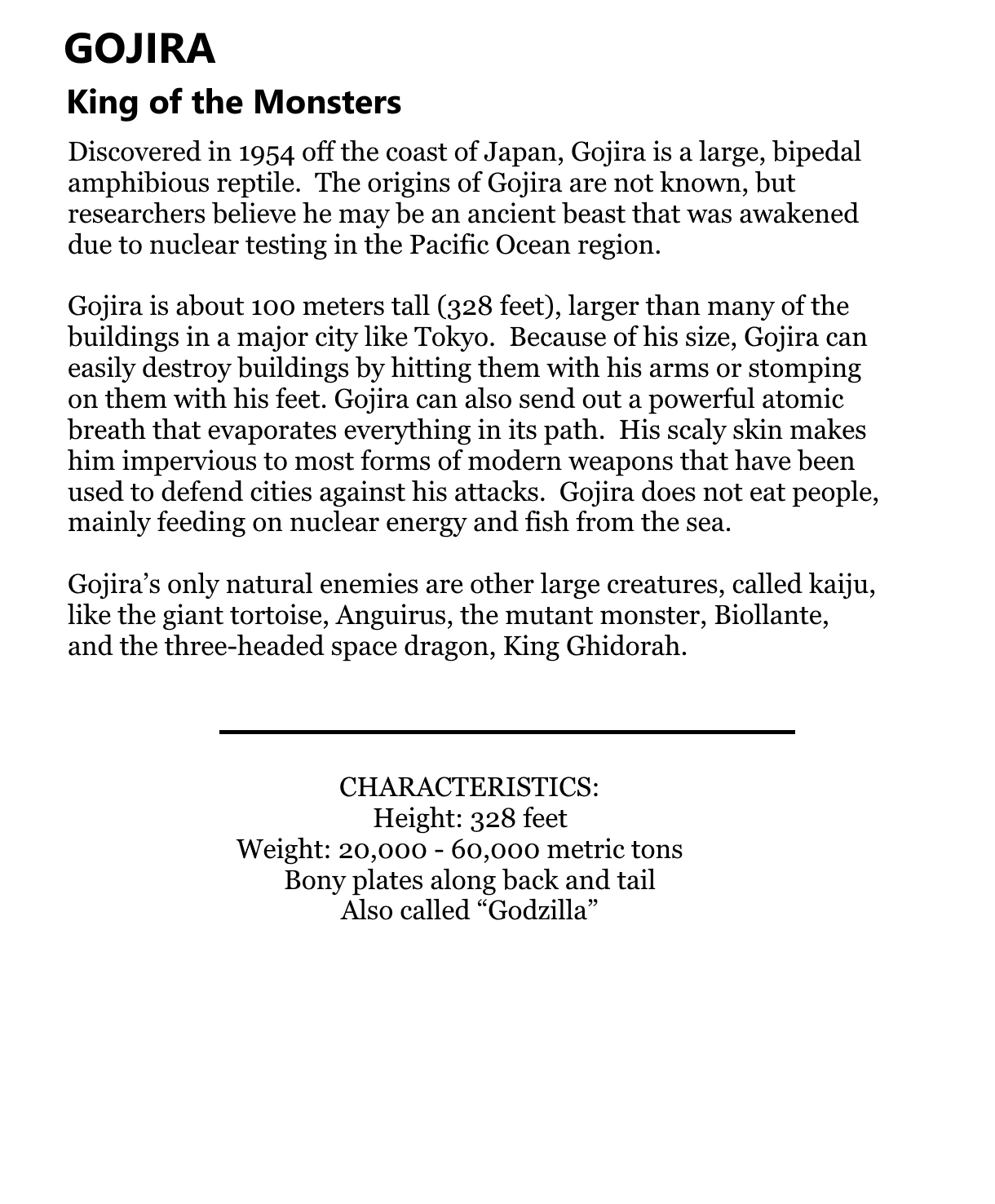
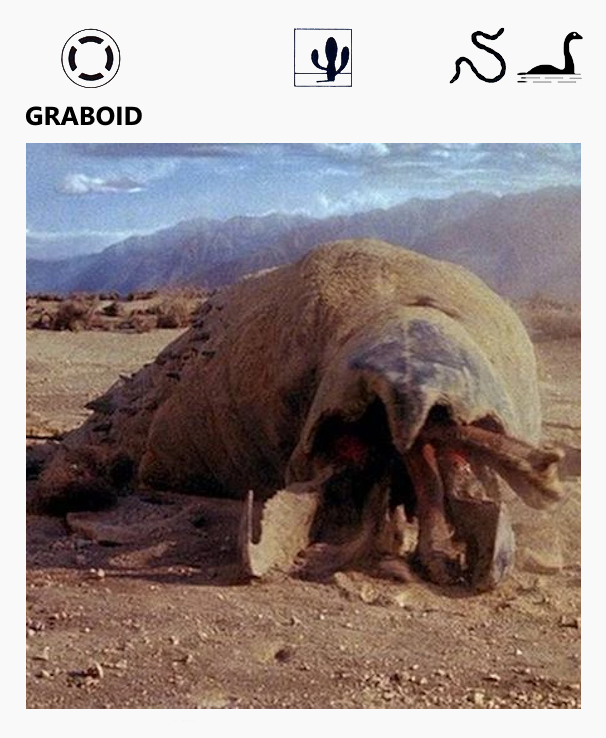
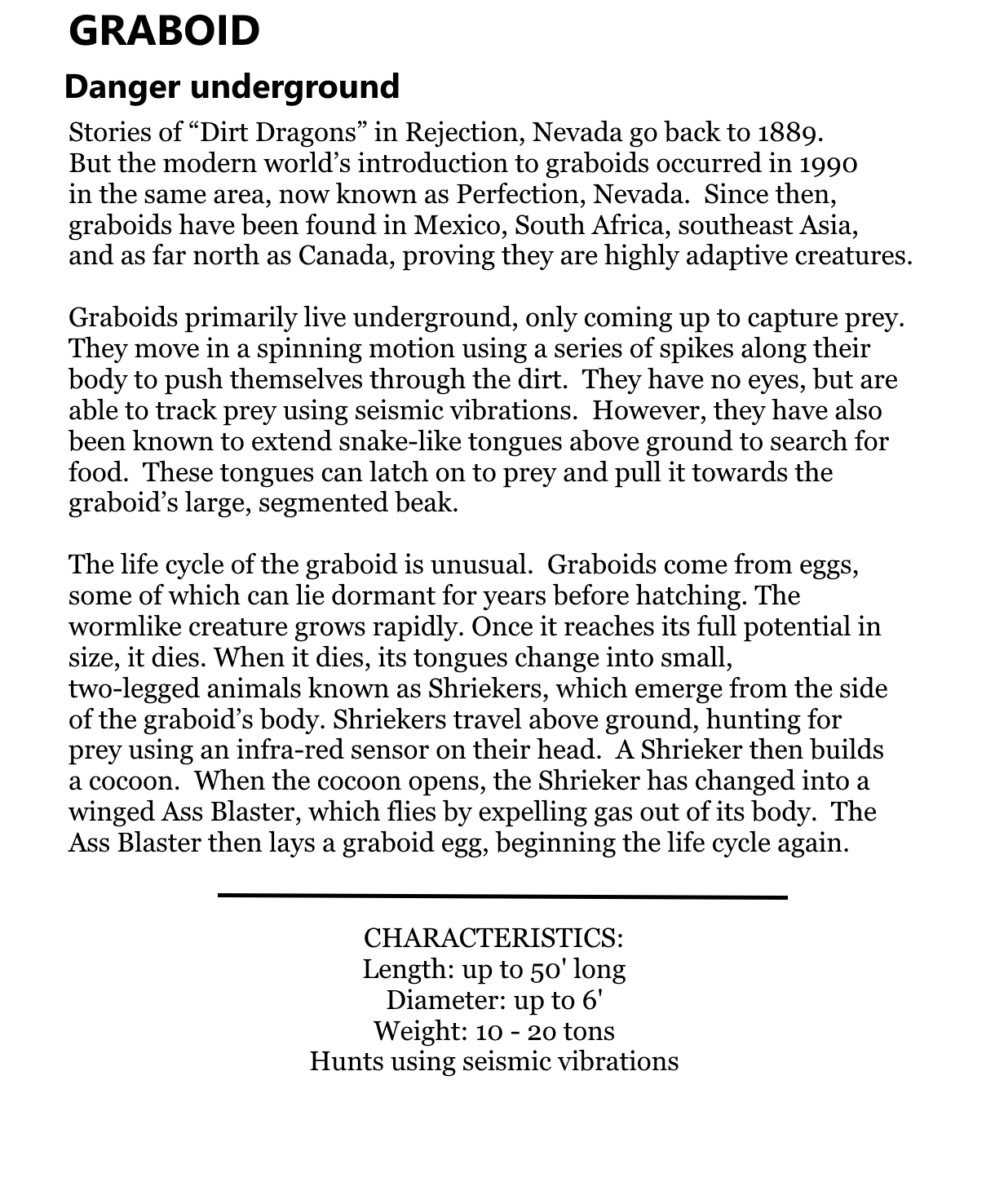
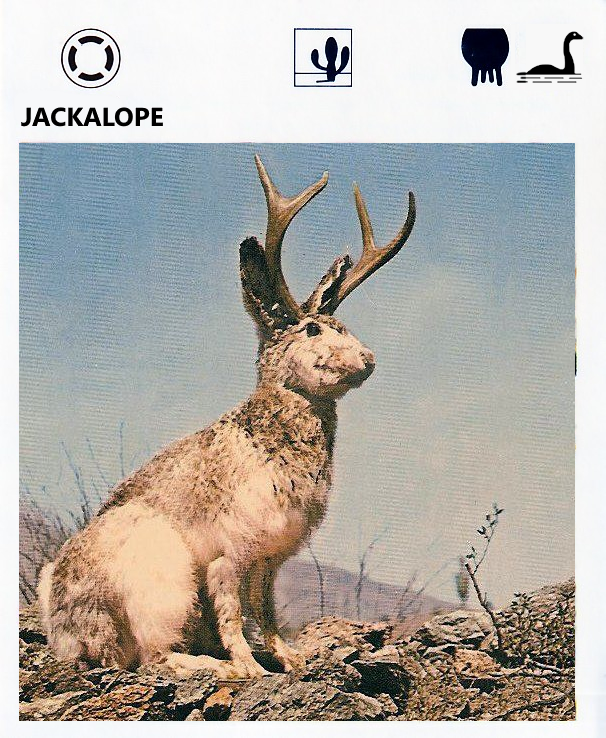
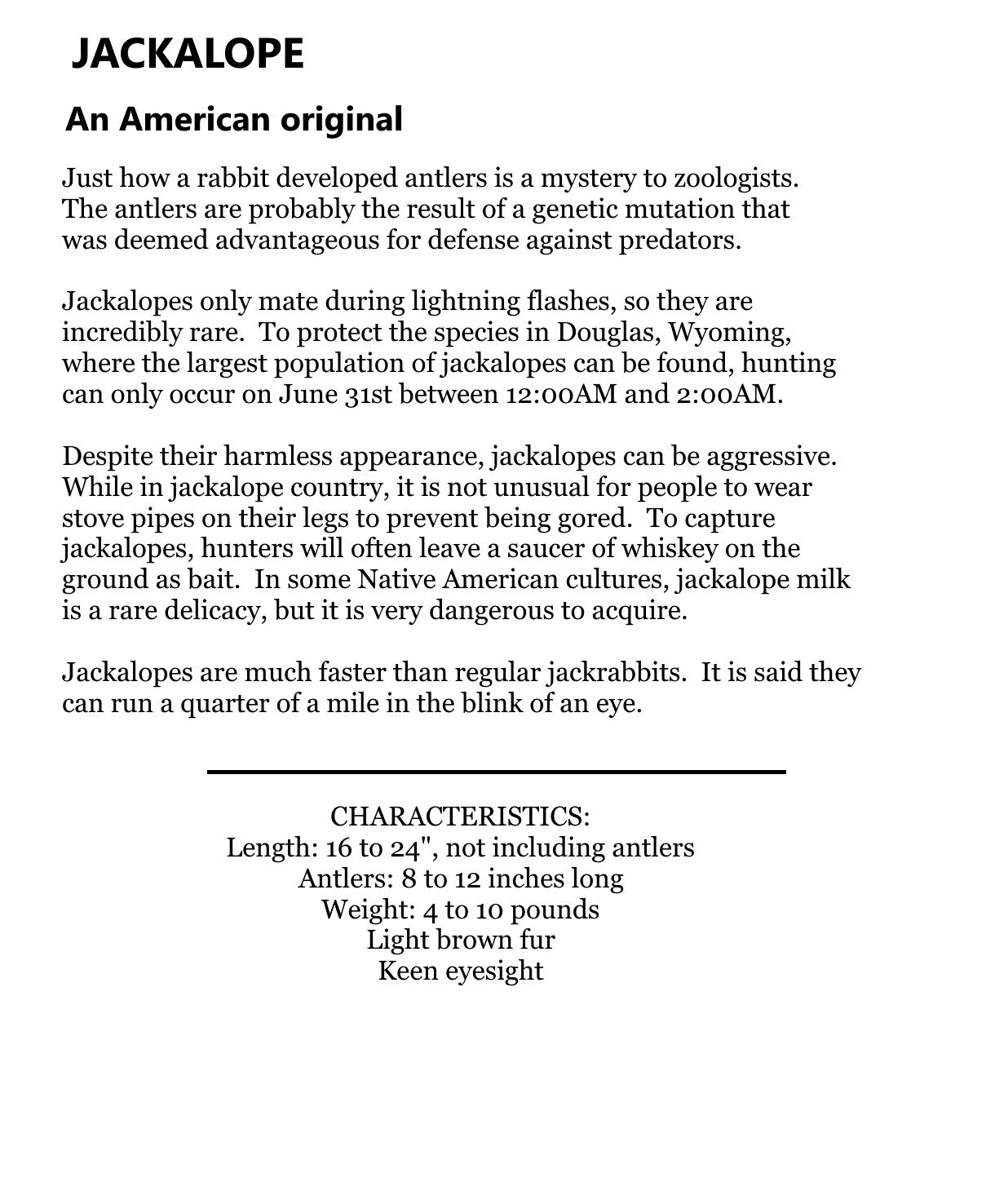

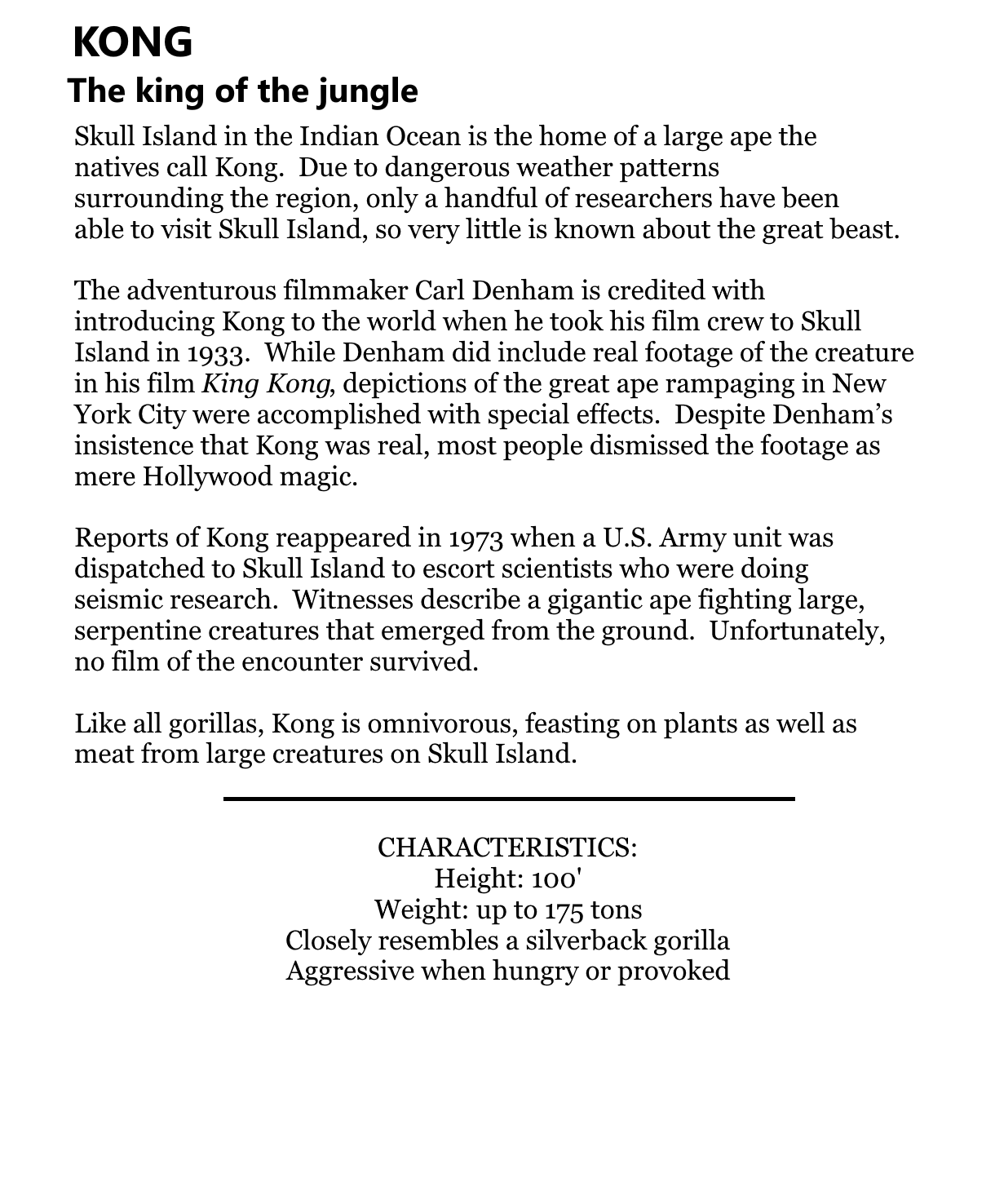
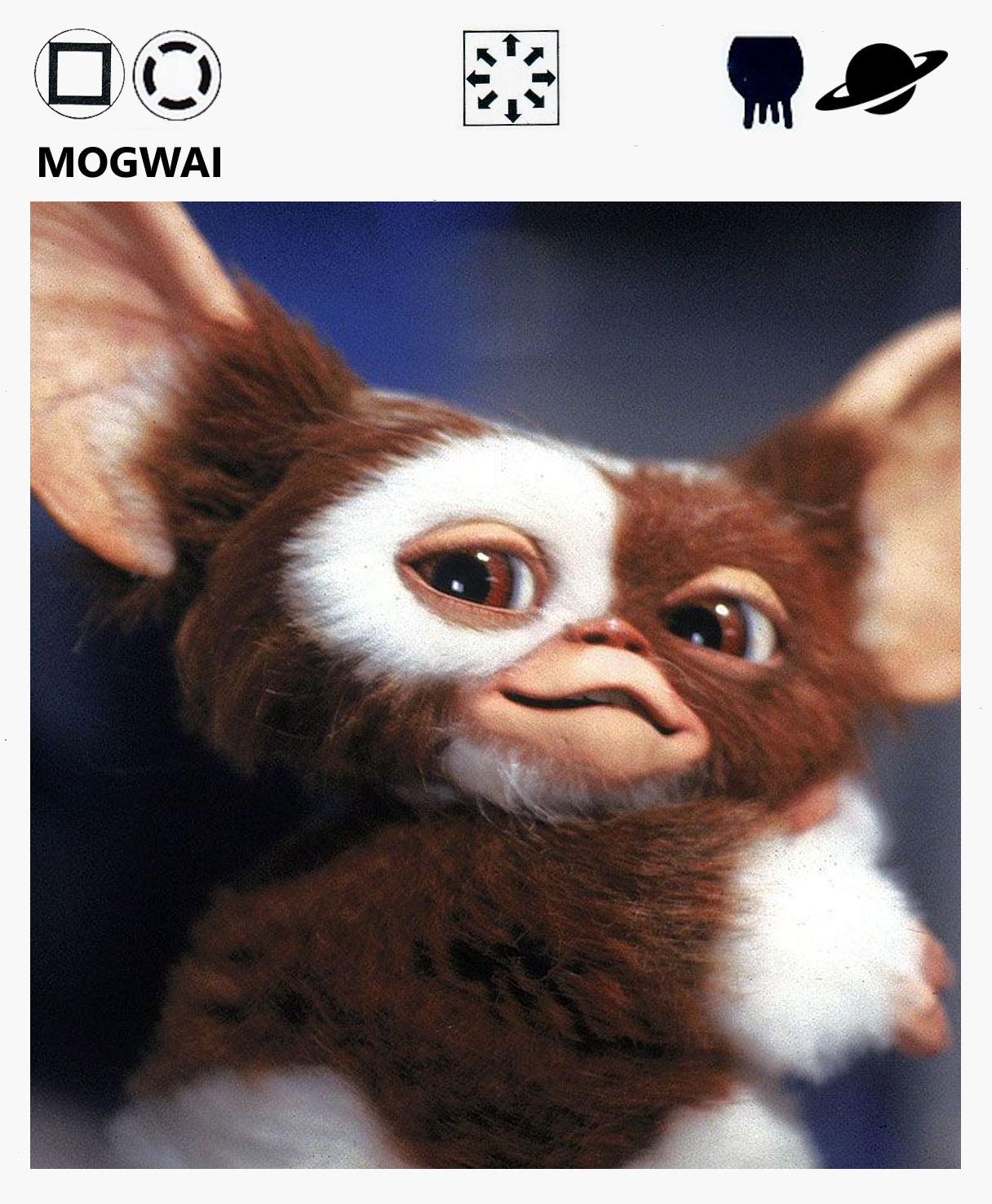
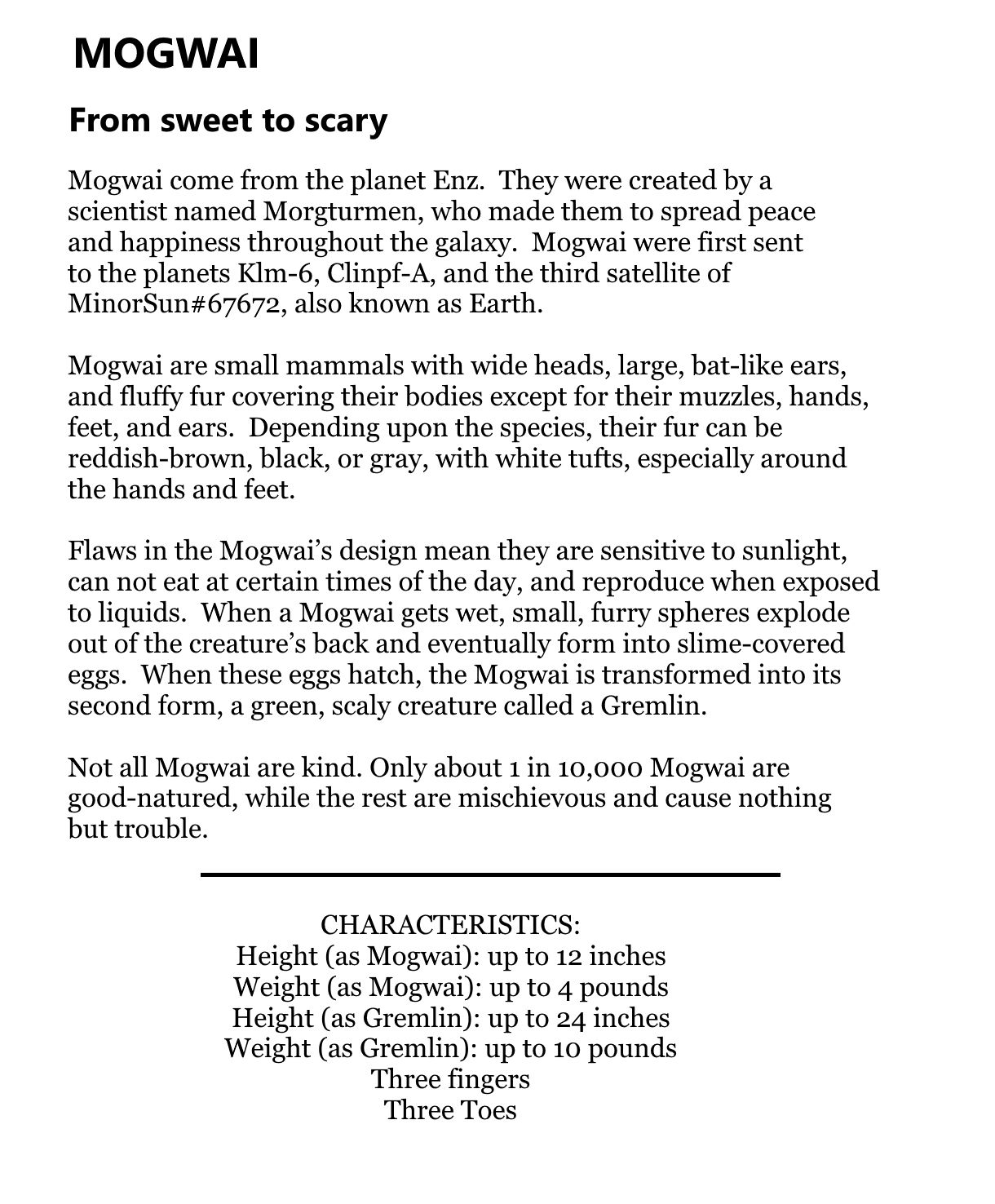
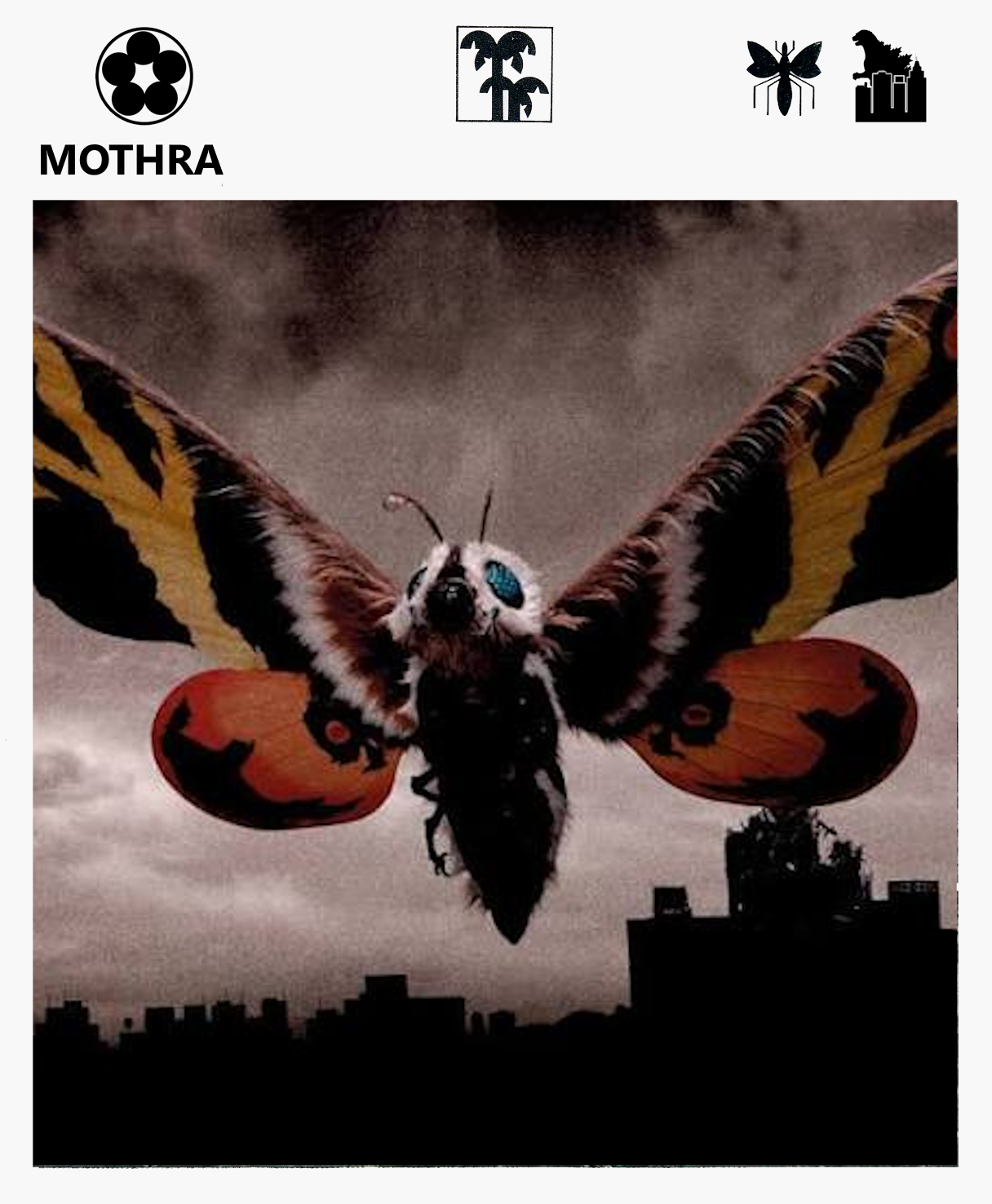
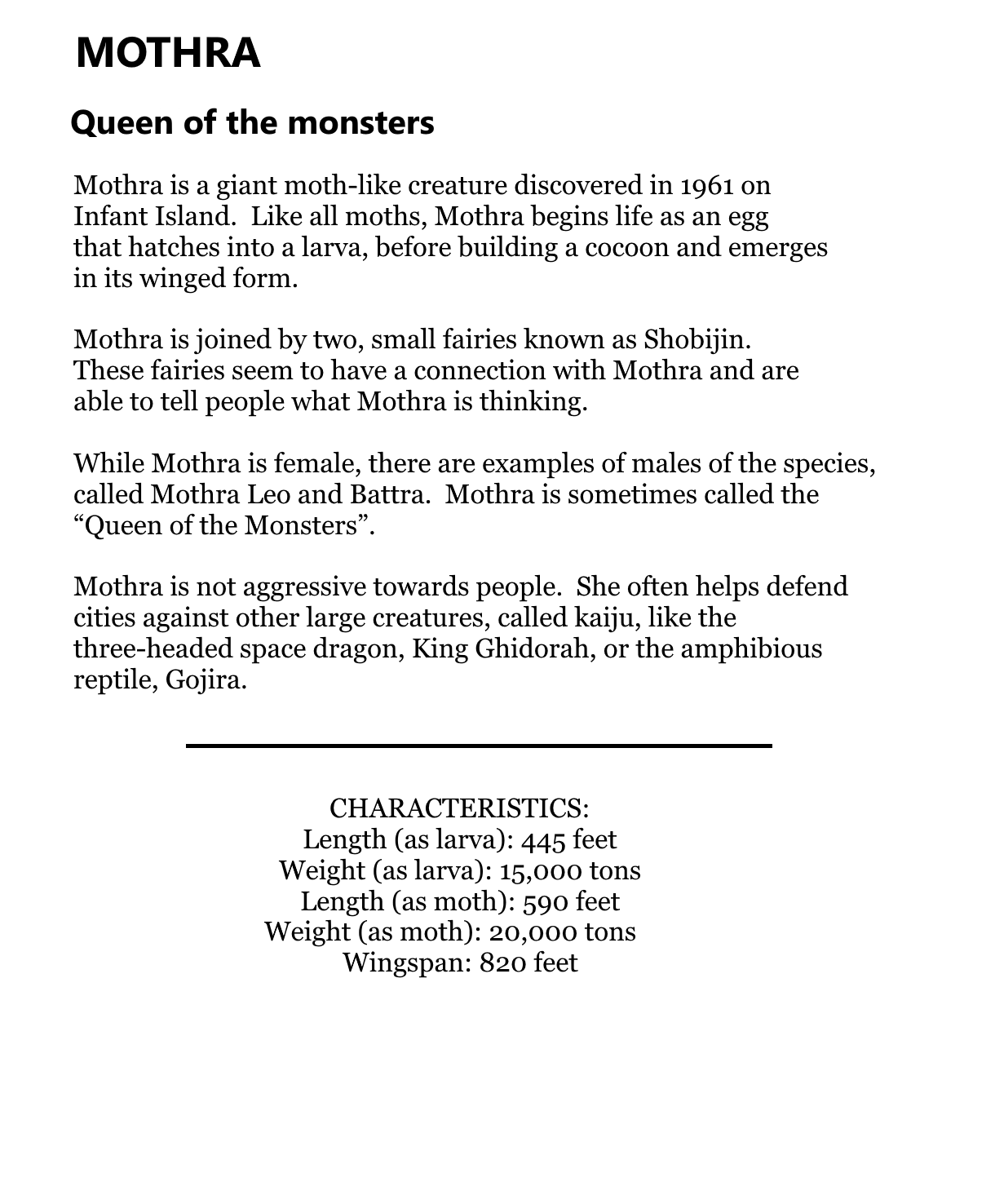
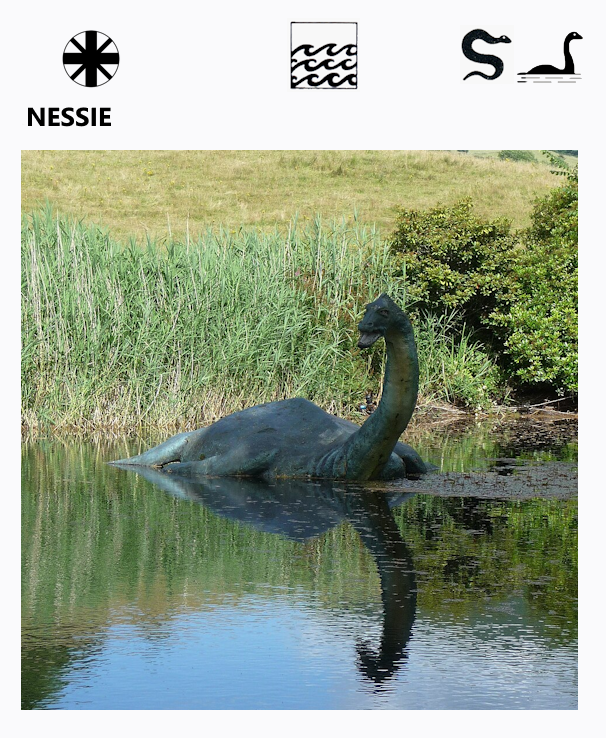
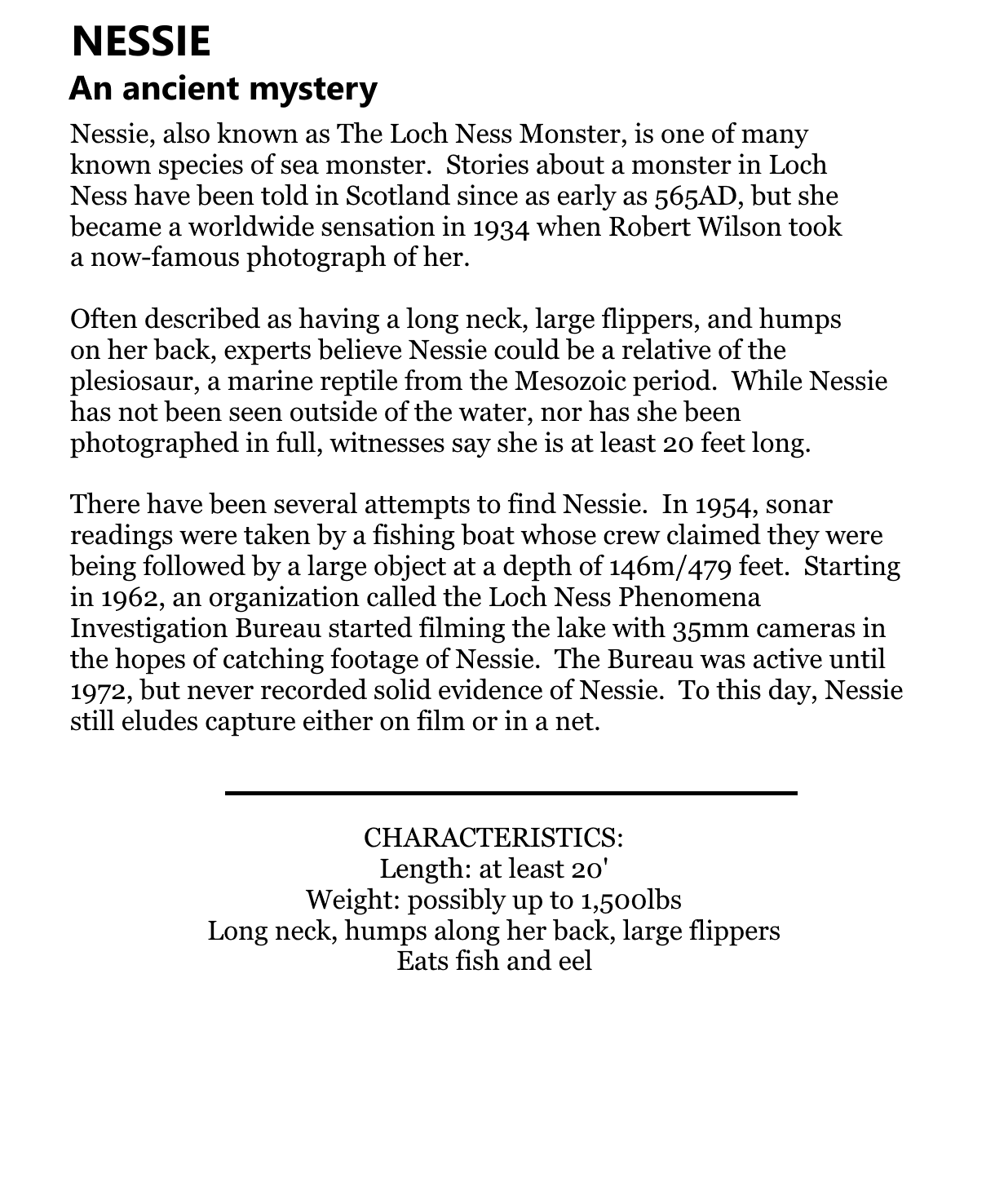

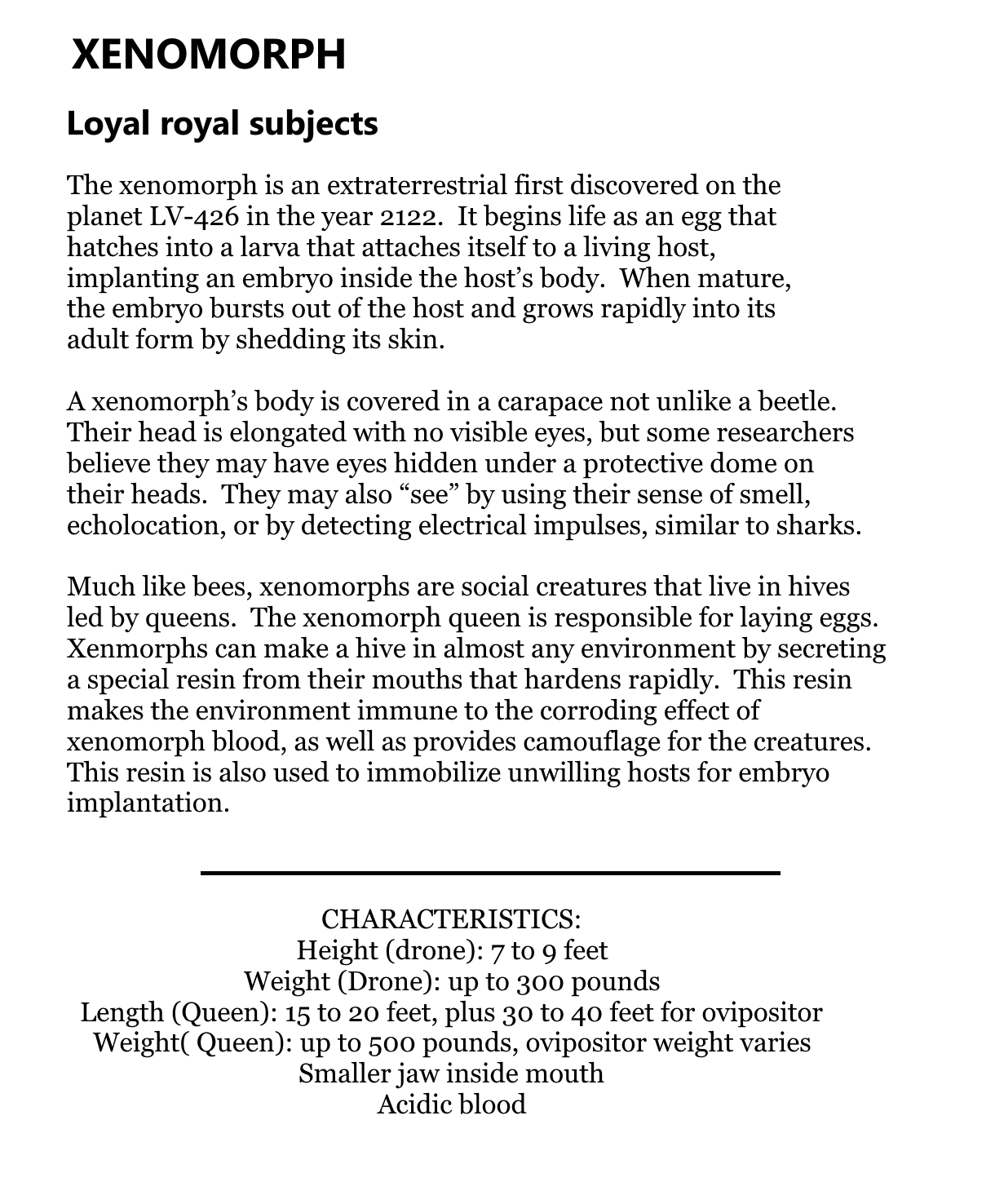
Making them was fairly easy – I just brought an existing card into Photoshop, cut out the original photo, swapped it out for a monster, matched the fonts as well as I could for the titles and text, and then did a few minutes of research to write up the backs of the cards. I tried my best to mimic the sometimes stilted phrasing of the original Wildlife Treasury cards and I feel like I did a decent job of it. I even created special Cryptid, Alien, and Kaiju symbols for classifying my monstrous menagerie.
The idea was a hit with my followers, some even reposted them for others to see, so it was a lot of fun to put together. I’m already thinking about which monsters I should include next year. I’m open to suggestions if you think there might be some crazy creatures I should cover!